Hearing aids are worn for several hours each day, making regular cleaning and maintenance important parts of their care. Earwax, moisture, sweat and everyday debris can accumulate on different components, potentially affecting sound quality and device performance.
If you use hearing aids regularly, knowing how often to clean them can help you identify problems early and keep them in suitable working condition. However, cleaning requirements can vary depending on the hearing aid style, manufacturer and how frequently you wear the devices.
Here is a practical guide to establishing a hearing aid cleaning and maintenance routine.
Why Is Regular Hearing Aid Cleaning Important?
Hearing aids contain small components that can be affected by earwax, dust and moisture. Over time, these substances may accumulate around the microphone openings, sound outlets, earmoulds and other parts of the device.
A blocked sound outlet, for example, may cause the hearing aid to sound quieter than usual or produce inconsistent sound. Moisture can also affect electronic components, particularly if devices are exposed to perspiration or water.
Regular cleaning helps remove everyday buildup and allows you to check for visible signs of wear or damage. It also gives you an opportunity to notice changes in performance before they become more disruptive.
How Often Should You Clean Your Hearing Aids?
The frequency of cleaning depends on your device type, earwax production and daily activities. As a general guide, consider the following routine.
1. Daily: Wipe the Hearing Aids
Clean your hearing aids at the end of each day or after removing them.
Use a soft, dry cloth to gently wipe the outer surfaces. This removes sweat, skin oils, dust and other debris that may have collected during wear.
Pay attention to areas that come into contact with your ears, including the casing, earmoulds and domes. Avoid using wet wipes, alcohol, household cleaning products or running water unless the manufacturer specifically permits them.
Before storing your hearing aids, check that there is no visible moisture or debris around the openings.
2. Several Times a Week: Check for Earwax Buildup
Earwax can accumulate around the sound outlet and wax guard, particularly in hearing aids that sit inside the ear canal.
Inspect these areas several times a week, or more frequently if you produce more earwax than usual.
If your hearing aids have removable wax guards, follow the manufacturer’s instructions for checking and replacing them. Do not push sharp objects into the openings, as this may damage delicate components.
Some behind-the-ear models have earmoulds or tubing that require additional attention. Their cleaning instructions may differ from those for receiver-in-canal or in-the-ear devices.
3. Weekly: Clean Removable Components
Depending on the hearing aid model, certain removable components may need more thorough cleaning once a week.
For example, some earmoulds can be detached and washed separately, provided the manufacturer allows it. These components must be completely dry before being reattached.
Never immerse the electronic hearing aid itself in water. If you are unsure which parts can be removed or washed, consult the device’s user manual or seek advice from your hearing aid provider.
4. Periodically: Check Batteries and Accessories
For hearing aids that use disposable batteries, check their condition regularly and replace them when necessary. Keep battery compartments clean and dry.
For rechargeable models, follow the recommended charging instructions and keep the charging contacts free from dust and debris.
Inspect accessories such as tubing, domes and wax filters for signs of wear. Replace them according to the manufacturer’s recommendations.
How Does Singapore's Climate Affect Hearing Aid Maintenance?
Singapore’s tropical climate is characterised by high humidity and warm temperatures throughout the year. These conditions can make moisture management an important part of hearing aid care.
Perspiration, humidity and exposure to rain may contribute to moisture accumulating on or around hearing aid components. Although many modern devices have some level of moisture resistance, this does not mean they are waterproof.
To help manage moisture:
- Remove your hearing aids before showering or swimming.
- Wipe away perspiration after outdoor activities.
- Store the devices in a cool, dry place away from direct sunlight.
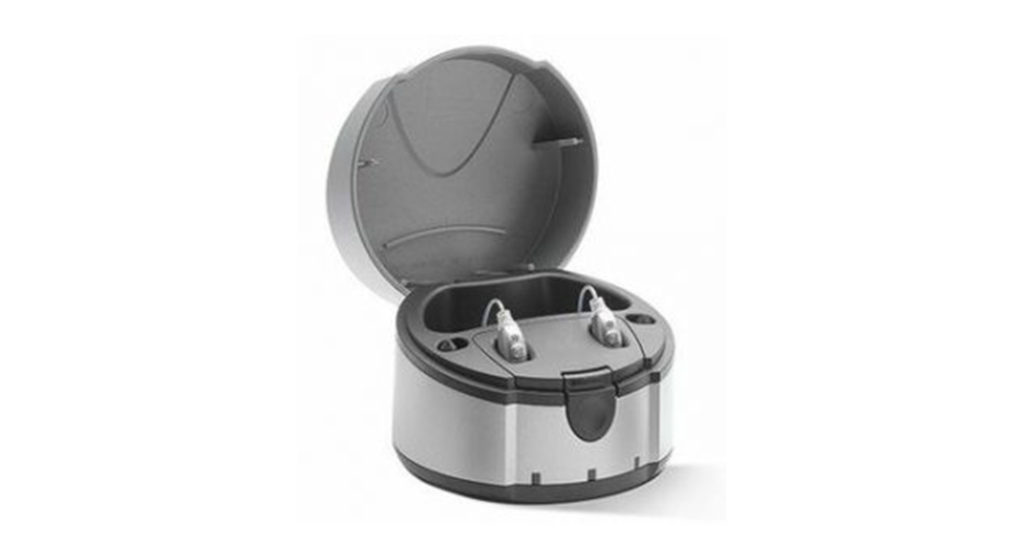
- Consider using a hearing aid drying box or dehumidifier if recommended for your device.
- Avoid leaving hearing aids in bathrooms, cars or other places exposed to excessive heat and humidity.
Check the manufacturer’s guidance before using any drying equipment, as different hearing aid models may have different requirements.
What Should You Avoid When Cleaning Hearing Aids?
Incorrect cleaning methods can damage hearing aid components. To reduce this risk, avoid the following:
- Using water on electronic components: Water can enter openings and affect internal electronics.
- Applying alcohol or household cleaners: These products may damage protective coatings or sensitive materials.
- Using sharp objects: Needles, pins and toothpicks can damage microphones, sound outlets and other small parts.
- Using excessive force: Delicate components may break if handled roughly.
- Using a hairdryer: Direct heat can damage the device and its internal components.
Always use cleaning tools recommended by the manufacturer and follow the instructions provided for your specific hearing aid model.
When Should You Have Your Hearing Aids Professionally Serviced?
Even with regular home cleaning, hearing aids may require occasional professional maintenance.
Consider contacting your hearing aid provider if you notice:
- Sound that becomes weaker or distorted.
- Intermittent sound or unexpected feedback.
- Persistent whistling despite checking the fit and positioning.
- Visible damage to the casing, tubing or other components.
- Charging or battery problems that continue after basic troubleshooting.
- Repeated blockages despite regular cleaning.
If your hearing aids stop working, check the battery or charge level, ensure they are switched on and inspect the sound outlet for visible blockage. Follow the troubleshooting instructions supplied with your device.
Avoid attempting to repair internal components yourself. A hearing aid provider can check the device, clean accessible parts and advise whether servicing or replacement components are needed.
If you experience a sudden change in hearing, ear pain, discharge or dizziness, seek medical advice rather than assuming the hearing aid is the cause.
Building a Simple Hearing Aid Maintenance Routine
Consistency is more useful than waiting until a device develops a problem. A simple routine can make hearing aid care easier to manage.
At the end of each day, wipe the devices and store them appropriately. During the week, inspect the sound outlets and removable components for earwax or debris. Periodically check accessories, charging contacts and batteries according to the manufacturer’s recommendations.
It is also helpful to keep the cleaning tools supplied with your hearing aids in an accessible place. This makes it easier to maintain your devices without resorting to unsuitable household cleaning products.
Frequently Asked Questions
1. Can I clean my hearing aids every day?
Yes. Gently wiping the outer surfaces with a soft, dry cloth every day is generally suitable. More detailed cleaning should follow the manufacturer’s instructions.
2. Can I use alcohol wipes to disinfect my hearing aids?
Not unless the manufacturer specifically approves them. Alcohol and other cleaning agents may damage certain materials or protective coatings. Use the recommended cleaning products instead.
3. How do I know if my hearing aids need cleaning?
A buildup of earwax or debris may cause reduced sound output, intermittent sound or a blocked sound outlet. Visible dirt around the device is another indication that cleaning may be needed.
Keeping Your Hearing Aids in Good Condition
Regular cleaning and appropriate storage can help manage everyday earwax and moisture buildup, while periodic checks allow you to identify possible problems with your hearing aids.
At Clariti, users can explore hearing aid options suited to different hearing needs and everyday listening requirements. If you are considering hearing aids or want to understand the available options, you can learn more about choosing hearing aids or read about hearing loss.
For device-specific cleaning and maintenance advice, always refer to the manufacturer’s instructions or contact your hearing aid provider.