Hearing difficulties associated with ageing do not always mean that sounds become quieter. Sometimes, conversations remain audible, but understanding what someone is saying becomes increasingly difficult, particularly in restaurants, family gatherings or crowded places.
This is commonly associated with age-related hearing loss, also known as presbycusis. When considering hearing aids for age-related hearing loss, the challenge is finding a device that addresses individual hearing needs rather than simply making everything louder. So, what should you consider before making a decision?
Key takeaways
- The degree and pattern of hearing loss should guide hearing aid selection, not age alone.
- Features such as background noise reduction, directional microphones and rechargeable batteries can influence everyday usability.
- Comfort, ease of handling and compatibility with daily activities matter as much as sound quality.
- Professional hearing assessment and proper fitting help ensure that hearing aids are appropriately adjusted.
- Regular follow-ups may be needed as hearing needs change over time.
Does the hearing aid match your hearing loss?
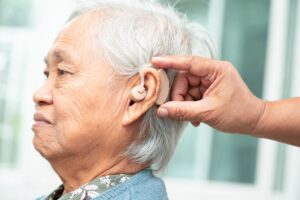
Age-related hearing loss often develops gradually and affects both ears, although the degree of hearing difficulty may differ between them. Higher-pitched sounds, including certain speech sounds, can become harder to distinguish. This means two people of the same age may require different hearing aid settings. A hearing assessment helps determine,
- Which frequencies are affected.
- The degree of hearing loss in each ear.
- Whether speech understanding is affected.
- Whether further medical assessment is necessary.
These findings help guide the type of hearing aid and level of amplification required.
Which hearing aid style would suit your daily routine?
Hearing aids come in different designs, and each has practical considerations. Common options include,
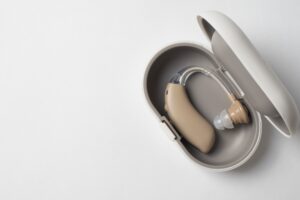
- Behind-the-ear (BTE)- Sits behind the ear and connects to an earpiece or earmould. It comes in different sizes and configurations.
- Receiver-in-canal (RIC)- Has a small casing behind the ear, with a receiver positioned inside the ear canal.
- In-the-ear (ITE)- Custom-made to fit within the outer ear.
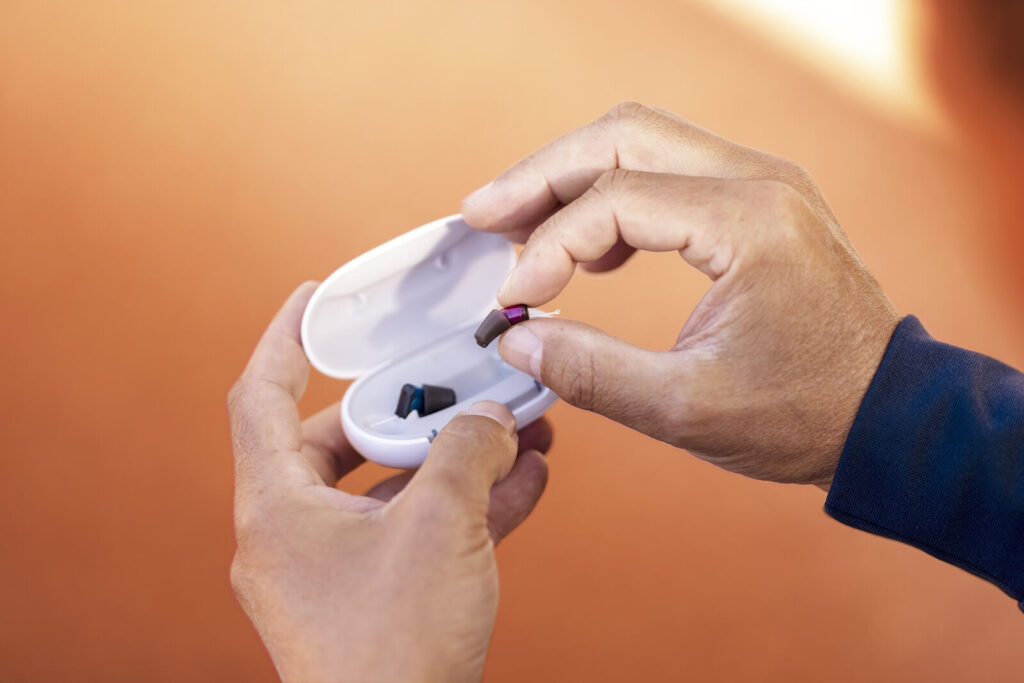
- Completely-in-canal (CIC)- Designed to sit deeper inside the ear canal.
Smaller devices may appeal to people who prefer a less noticeable design. However, they may have smaller controls and batteries, which can be challenging for someone with reduced finger dexterity.
The most suitable style depends on hearing requirements, ear anatomy, comfort and handling preferences.
Which features actually make everyday listening easier?
Not every feature is necessary for every user. Consider where hearing difficulties occur most frequently. Some useful features include,
- Directional microphones- Help focus on sounds coming from a particular direction, such as someone speaking in front of you.
- Noise reduction- Helps manage certain types of background noise, although it cannot eliminate all competing sounds.
- Rechargeable batteries- Reduce the need to handle and replace small disposable batteries.
- Bluetooth connectivity- Allows compatible hearing aids to connect to smartphones and other devices for audio streaming.
- Volume controls- Make it easier to adjust listening levels when needed.
For someone who frequently attends family gatherings or social events, microphone directionality and noise management may be particularly relevant.
Is the device comfortable and easy to maintain?
A hearing aid may have useful features, but it needs to be comfortable enough for regular use. You should consider whether,
- It fits securely without causing discomfort.
- The controls are easy to operate.
- The battery or charging process is manageable.
- Cleaning and maintenance requirements are practical.
- The device can be serviced when necessary.
Sometimes a humid environment also makes moisture management worth discussing during the selection process.
Why does professional fitting matter?
Buying a hearing aid is not simply a matter of choosing a model from a catalogue. The device needs to be programmed according to the individual’s hearing assessment. Further adjustments may be necessary after the person starts using it in everyday situations.
Follow-up appointments allow hearing professionals to review comfort, sound quality and listening difficulties. Hearing aids also do not restore natural hearing or guarantee that every conversation will become effortless. Realistic expectations and ongoing adjustments are part of the process.
Frequently Asked Questions
Can age-related hearing loss be corrected with hearing aids?
Hearing aids can help manage hearing difficulties by amplifying sounds according to an individual’s hearing needs. However, they do not reverse the underlying changes associated with age-related hearing loss.
Should I wear hearing aids in both ears?
If hearing loss affects both ears, using two hearing aids may be recommended. However, the decision depends on the hearing assessment and individual circumstances.
How long does it take to adjust to hearing aids?
Adjustment varies between individuals. Some people adapt relatively quickly, while others need more time and follow-up adjustments to become comfortable with everyday sounds.
Do hearing aids require regular maintenance?
Schedule a Consultation and Find Hearing Support That Fits Your Needs
What should I do if I still struggle to hear while wearing my hearing aids?
Arrange a review with your hearing care professional. The hearing aid settings, fit, maintenance and your hearing needs may need to be reassessed. Persistent difficulty should not automatically be treated as a reason to purchase more accessories.
Schedule a Consultation and Find Hearing Support That Fits Your Needs
Choosing hearing aids involves more than comparing designs and technical features. Your hearing profile, communication needs, comfort and daily routine all influence which device may be appropriate.
If you or an older family member is experiencing difficulty following conversations, consider arranging a hearing assessment. At Clariti Hearing Professionals, a consultation can help you understand your hearing needs and explore suitable hearing aid options. Discuss your concerns with the hearing care team to make an informed decision about managing hearing difficulties.