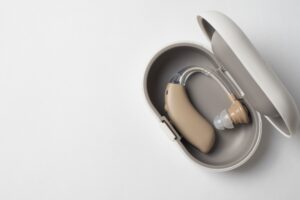
Choosing a hearing aid is not quite like choosing a pair of headphones. The model that works well for one person may not be suitable for another, even if both have similar hearing difficulties.
If you are considering Resound hearing aids, the more useful question is not simply, “Which model should I buy?” It is, “What should be checked first so the hearing aid matches my hearing and everyday needs?”
Key takeaways
- A hearing assessment should come before choosing a hearing aid.
- The degree and pattern of hearing loss can influence the type and settings of hearing aid required.
- Your daily environment matters, including conversations, work, family settings and background noise.
- A proper fitting involves more than simply putting the device on and increasing the volume.
- Follow-up adjustments may be needed as you become accustomed to your hearing aids.
Does the hearing aid actually match your hearing loss?
Hearing loss is not identical from person to person. Some people have difficulty mainly with higher-pitched sounds, while others may have a broader range of hearing changes. One ear may also be affected differently from the other.
That is why a hearing assessment is an important starting point. It helps determine the type and degree of hearing loss and provides information that can be used when programming the hearing aids.
What does your normal day actually sound like?
You have to think beyond the hearing aid itself. Imagine these following questions,
- Do you mainly need to follow conversations at home?
- Do you regularly attend meetings, eat in restaurants or spend time in busy public places?
- Do you find that several people speaking at once is particularly difficult?
These details can influence which features and settings are relevant to you. It is also worth considering practical preferences such as,
- How comfortable you are handling small devices
- Whether you prefer rechargeable or replaceable batteries
- How frequently you use a telephone or other connected devices
- Whether the hearing aid needs to fit comfortably with your usual lifestyle
Is the fitting comfortable, or merely loud enough?
A common assumption is that hearing aids simply need to make sounds louder. In reality, fitting involves adjusting amplification according to the individual’s hearing assessment and listening needs. Too little amplification may leave conversations difficult to follow. Too much may make certain sounds uncomfortable or distracting.
This is why the initial fitting should be treated as a process. You may notice things differently once you begin wearing the devices in everyday environments, and adjustments may sometimes be appropriate.
What happens after you receive the hearing aids?
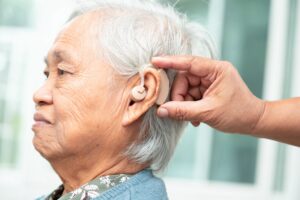
The first fitting is not necessarily the end of the process. It can take time to become accustomed to hearing sounds differently, particularly if you have been living with hearing loss for some time. You may also discover that certain environments are easier or harder than expected. During follow-up appointments, you can discuss specific situations that remain difficult. Your hearing care professional can then determine whether further adjustments or other considerations are appropriate.
Frequently Asked Questions
Do I need a hearing test before choosing Resound hearing aids?
A hearing assessment is an important first step because the results help determine the nature and degree of hearing loss and guide hearing aid selection and programming.
Are all Resound hearing aids suitable for every type of hearing loss?
No hearing aid should be assumed to suit everyone. The appropriate device depends on factors including the person’s hearing loss, listening needs, physical preferences and other individual considerations.
How long does it take to get used to hearing aids?
This varies between individuals. Some people adjust relatively quickly, while others need more time to become comfortable with amplified sounds and everyday listening situations.
Can hearing aids be adjusted after fitting?
Yes. Follow-up assessment can help identify situations where further programming or adjustments may be appropriate.
What should I do if I am unsure which hearing aid to choose?
Discuss your hearing assessment, daily listening environments and practical preferences with a hearing care professional before making a decision.
Schedule a consultation and find out what your hearing needs
If you are considering Resound hearing aids, start with your hearing rather than the device. Clariti Hearing Professionals can assess your hearing and discuss suitable hearing aid options based on your individual needs. You can also speak with Ronald Pang about what to consider during the fitting process. Scheduling a hearing test can be a practical first step towards understanding your hearing needs and deciding what options may be appropriate for you.