Key takeaways
- Sensorineural hearing loss involves damage to the inner ear or auditory nerve, making it different from more treatable outer or middle ear conditions.
- Unlike some other types, it is usually permanent and managed rather than reversed.
- Sensorineural hearing loss hearing aids play a central role in improving hearing clarity and daily communication.
- Early assessment can help individuals explore suitable management options and protect remaining hearing.
What Is Sensorineural Hearing Loss and How Is It Different?
Hearing loss is not the same for everyone. The type of hearing loss determines how it is managed and what outcomes may be expected.
Sensorineural hearing loss occurs when there is damage to the inner ear (cochlea) or the auditory nerve pathways to the brain. This differs from,
- Conductive hearing loss- Caused by blockages or issues in the outer or middle ear e.g. earwax, fluid and is often temporary or medically treatable.
- Mixed hearing loss- A combination of conductive and sensorineural components
In contrast, sensorineural hearing loss is typically long-term and requires supportive management rather than corrective procedures.
Why Can’t Sensorineural Hearing Loss Be “Fixed” Easily?
Unlike outer or middle ear conditions, the inner ear contains delicate hair cells that do not regenerate once damaged. This means,
- Medical or surgical treatments may have a limited impact
- The focus shifts to improving hearing function rather than restoring it
- Management is tailored to the individual’s level and pattern of hearing loss
Because of this, understanding the condition early helps individuals adapt better to hearing support options.
How Do Hearing Aids Help in Sensorineural Hearing Loss?
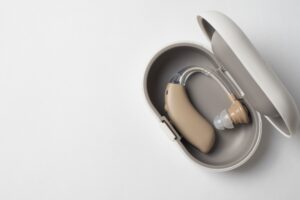
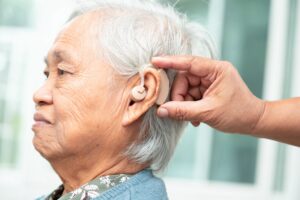
For many individuals, sensorineural hearing loss hearing aids are a key part of care. These devices are designed to make sounds clearer and more accessible.
They work by,
- Amplifying sounds at specific frequencies where hearing is reduced
- Enhancing speech clarity, especially in conversations
- Reducing listening effort in everyday environments
Modern hearing aids may also include,
- Noise reduction features
- Directional microphones to focus on speech
- Connectivity with smartphones and other devices
It is important to note that hearing aids do not restore natural hearing but support better hearing experiences.
What Makes Treatment Planning More Personalised?
Managing sensorineural hearing loss is not a one-size-fits-all approach. Care plans are typically personalised based on,
- Degree of hearing loss ranging from mild to profound
- Lifestyle needs in work and social environments
- Communication challenges faced by the individual
- Comfort and adaptability to hearing devices
This individualised approach ensures that support aligns with daily needs rather than a generic solution.
When Should You Seek Help for Hearing Changes?
Recognising early signs can make a meaningful difference in managing hearing loss effectively. Some common signs include,
- Difficulty following conversations, especially in noisy places
- Frequently asking others to repeat themselves
- Turning up the volume on devices more than usual
- Feeling that speech sounds unclear rather than just soft
If these signs are noticed, a hearing assessment can provide clarity on the type and extent of hearing loss.
Frequently Asked Questions
Is sensorineural hearing loss permanent?
In many cases, it is long-term due to inner ear or nerve damage. Management focuses on improving hearing function.
Can hearing aids fully restore normal hearing?
Hearing aids support clearer hearing but do not restore natural hearing. They help improve communication and listening comfort.
Are hearing aids necessary for mild sensorineural hearing loss?
The process is generally comfortable. Adjustments are made to ensure the device fits well and does not cause irritation.
How long does it take to adjust to hearing aids?
Adjustment varies. Some adapt within weeks, while others may take longer with gradual use and fine-tuning.
Looking for Guidance on Hearing Loss in Singapore?
Understanding the differences in hearing loss is the first step towards making informed decisions. If you or a loved one are experiencing hearing concerns, a professional assessment can help clarify the next steps.
At Clariti Hearing Care, Singapore, our audiology team provides careful evaluation and guidance for conditions such as sensorineural hearing loss, including support with suitable hearing aid options.
Consider booking a consultation to better understand your hearing needs and take the first step towards clearer hearing with informed care.