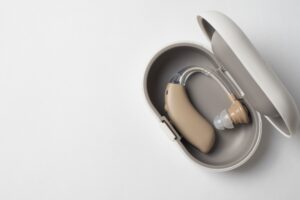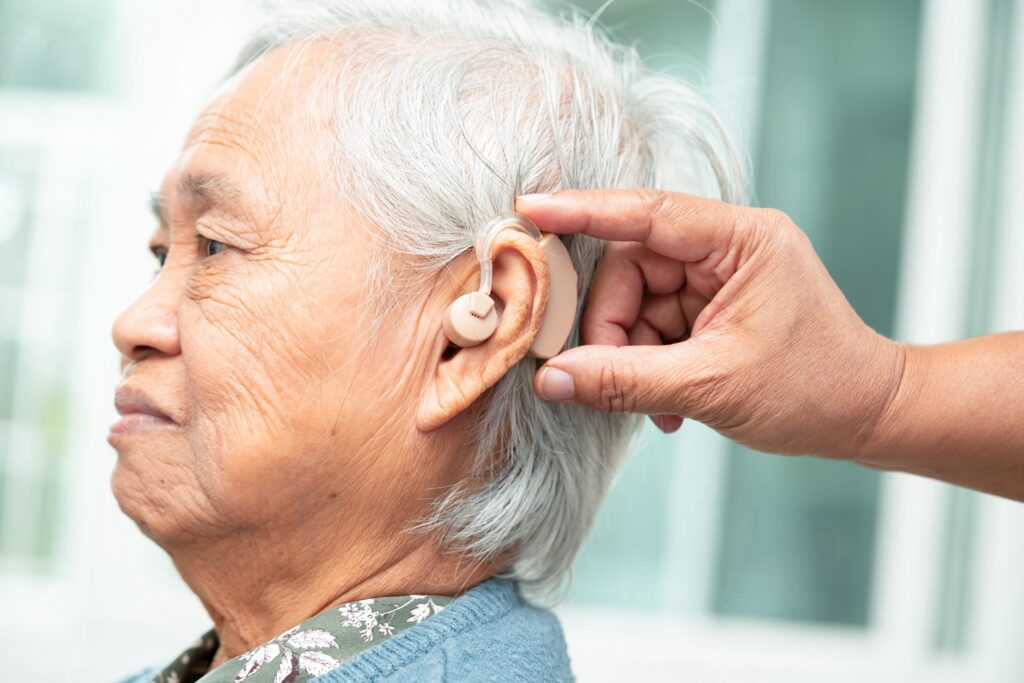
Choosing a hearing aid can feel like a simple shopping decision. You may recognise a familiar brand, compare a few models and assume that a well-known name means the device will automatically suit you. But hearing is personal and so is the way a hearing aid needs to be adjusted.
Key takeaways
- A recognised hearing aid brand does not automatically mean the device is suitable for every person.
- Personalised hearing aid fitting considers your hearing assessment, listening needs and comfort.
- The way a hearing aid is adjusted can affect how comfortable and useful it feels in everyday situations.
- Your listening environment matters, from conversations at home to busy places.
- Follow-up adjustments can be part of making the hearing aid work appropriately for your needs.
Is choosing a famous hearing aid brand enough?
A familiar brand can be one factor when considering a hearing aid, but it is not the only one that matters.
Two people with hearing loss may have very different hearing profiles, lifestyles and communication needs. One person may mainly struggle to follow conversations in a quiet room, while another may find restaurants, meetings or outdoor environments more challenging.
This is where personalised hearing aid fitting becomes important. Rather than simply selecting a device based on its brand or features, the fitting process involves considering factors such as,
- Your hearing assessment and degree of hearing loss
- The frequencies where hearing is affected
- Your usual listening environments
- How you communicate at home, work or socially
- Physical comfort and how the device sits on or in the ear
- Your ability to manage and use the hearing aid comfortably
The aim is to ensure that the selected device and its settings are appropriate for your individual hearing needs.
Why can the same hearing aid feel different for different people?
Hearing aids do not simply make everything louder. They process sound and can be adjusted according to an individual’s hearing requirements.
This matters because increasing volume indiscriminately may not address the sounds you actually have difficulty hearing. For example, you might notice that,
- Speech sounds unclear even though surrounding sounds are audible.
- Certain sounds seem unnecessarily loud.
- You struggle more in noisy environments than in quiet rooms.
- The hearing aid feels uncomfortable after wearing it for some time.
- You can hear sound but still find conversations difficult to follow.
These experiences can indicate that the fitting and settings need to be considered alongside the hearing aid itself.
What does personalised hearing aid fitting actually involve?
A hearing aid fitting is more than putting the device on and switching it on. Depending on your individual circumstances, the process may involve,
- Reviewing your hearing assessment and discussing your everyday listening needs.
- Selecting a suitable hearing aid based on your hearing profile and requirements.
- Programming the device according to your hearing needs.
- Checking physical fit and comfort.
- Discussing how to use, clean and care for the hearing aid.
- Reviewing your experience and making adjustments when appropriate.
This also highlights an important point that hearing aid fitting is not necessarily a one-time decision. Your experience with the device can provide useful information about whether further adjustments may be appropriate.
Could your lifestyle matter as much as the hearing aid itself?
Think about where you spend most of your day. Someone who mainly has conversations at home may have different priorities from someone who regularly attends meetings, spends time in busy restaurants or speaks with several people at once.
For people living and working, everyday listening situations can vary considerably from quiet home conversations to busy food centres, shopping areas, offices and social gatherings. Discussing these situations during your consultation can help inform the fitting process rather than relying solely on the hearing aid’s brand name.
Is personalised fitting important if the hearing aid has good features?
Features can be useful, but more features do not necessarily mean a device will suit every individual. The more useful question may be: Are the device and its settings appropriate for your hearing needs and everyday situations?
A personalised approach puts your hearing profile and communication requirements into the conversation. It also allows you to explain what you find difficult, what feels uncomfortable and which listening situations matter most to you.
Frequently Asked Questions
What is personalised hearing aid fitting?
Personalised hearing aid fitting involves selecting and adjusting a hearing aid according to an individual’s hearing assessment, listening needs, comfort and everyday situations.
Does the hearing aid brand matter?
Brand can be one consideration when choosing a hearing aid, but it should not be the only consideration. Suitability, fitting, settings, comfort and individual hearing requirements are also relevant.
Why might I still struggle to hear after getting a hearing aid?
A hearing aid does not necessarily make every listening situation easy. Your hearing needs, the environment, device settings and your experience using the device can all be relevant. A follow-up assessment may help determine whether adjustments are appropriate.
Will my hearing aid need to be adjusted again?
It may. Your experience after wearing the device in different situations can provide information that may be useful during follow-up fitting or adjustments.
How do I know which hearing aid is suitable for me?
A hearing assessment and discussion about your hearing needs, lifestyle, listening environments and comfort can help inform the choice. A hearing professional can explain the available options and fitting considerations relevant to you.
Why look beyond the brand name when choosing a hearing aid?
A hearing aid is something you may use as part of your everyday communication. So, instead of asking only, “Which brand should I choose?”, it may be worth asking, “How will this hearing aid be fitted to my hearing needs?”
For those considering hearing aids in Singapore, Clariti Hearing Professionals can help you understand your hearing needs and discuss suitable hearing aid and fitting options. Consider booking a consultation with our team at Clariti Hearing Professionals to discuss your hearing concerns and whether personalised hearing aid fitting may be appropriate for you.