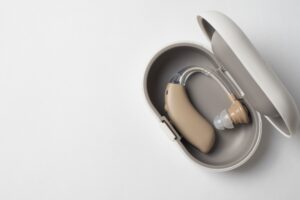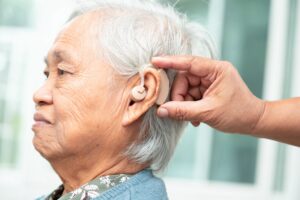
Choosing hearing aids is not just about hearing loss, it is about how you live, work, and interact every day. The right device should fit seamlessly into your routine rather than disrupt it.
Key takeaways
- Sensorineural hearing loss does not only affect the ears — it can also influence how the brain processes sound.
- Early sensorineural hearing loss management may help the brain continue receiving clearer sound information.
- Delaying support may make speech understanding, especially in noisy places, feel more difficult over time.
- Hearing assessments and timely intervention can help identify suitable options for individual needs.
Hearing loss is often thought of as a problem that only affects the ears. However, hearing involves a partnership between the ears and the brain. When sounds become reduced or distorted because of sensorineural hearing loss, the brain also receives less information to work with.
This raises an important question many people ask: can early treatment help the brain adapt more effectively?
The answer is more complex than a simple yes or no, but research suggests that early support may play a role in helping the auditory system continue processing sounds and speech more effectively.
What Happens To The Brain When Sensorineural Hearing Loss Develops?
Sensorineural hearing loss occurs when there is damage to the inner ear structures or hearing nerve pathways. Because sound signals become weaker or altered, the brain receives less detailed information.
Over time, this may affect the way sounds are interpreted.
Some people may notice:
- Frequently asking others to repeat themselves
- Difficulty following conversations in restaurants or crowded places
- Speech sounding muffled
- Feeling mentally tired after conversations
- Trouble identifying where sounds are coming from
The brain constantly adapts to incoming information. If reduced sound input continues for a long period, the brain may gradually become less efficient at processing certain sounds.
Why Could Early Sensorineural Hearing Loss Management Matter?
The brain has an ability known as neuroplasticity, which refers to its capacity to adapt and reorganise itself.
When hearing difficulties are identified and managed early, support may help maintain regular sound stimulation for the brain.
Potential benefits of early sensorineural hearing loss management may include:
- Supporting speech understanding in daily situations
- Helping maintain listening engagement
- Reducing communication difficulties
- Supporting social participation
- Helping people stay connected in work and family settings
Early management does not guarantee a particular outcome for every individual. Hearing experiences vary from person to person, and treatment recommendations depend on several factors.
What Can Early Management Include?
Management plans are often tailored to individual hearing needs.
Depending on findings from an assessment, options may include:
- Hearing evaluations and monitoring
- Hearing devices were appropriate
- Listening and communication strategies
- Counselling and education
- Follow-up reviews to assess hearing changes over time
Seeking support early does not necessarily mean hearing loss is severe. Sometimes people notice only subtle changes initially.
Frequently Asked Questions
Can the brain become used to hearing loss?
The brain can adapt to changes in sound input over time. However, adapting to reduced hearing does not always mean communication becomes easier.
Is sensorineural hearing loss always permanent?
Many forms of sensorineural hearing loss are long-term, although the cause and severity can vary between individuals.
How do I know if I should have my hearing checked?
Consider a hearing assessment if you regularly ask people to repeat themselves, struggle in noisy places, or notice changes in hearing clarity.
Can early support restore hearing completely?
Outcomes differ among individuals. Early intervention aims to support hearing function and communication rather than guaranteeing a specific result.
Take The Next Step Towards Understanding Your Hearing
If hearing changes are affecting conversations, work, or everyday life, timely assessment may help provide greater clarity about your hearing needs.
At Clariti Hearing Professionals, the team provides hearing assessments and guidance tailored to individual circumstances. Understanding your hearing concerns early may help you explore suitable options for your needs.
Book a consultation with Clariti Hearing Professionals today to take the first step towards understanding your hearing health.