Choosing hearing aids is not just about hearing loss, it is about how you live, work, and interact every day. The right device should fit seamlessly into your routine rather than disrupt it.
Key takeaways
- Noise-induced hearing loss (NIHL) can develop gradually and may not always be noticed immediately.
- Even if hearing damage has already occurred, taking action may help protect your remaining hearing.
- Early assessment and appropriate treatment for noise-induced hearing loss can help manage symptoms and support hearing health.
- Every day changes, such as reducing prolonged exposure to loud sounds, can make a difference over time.
We are surrounded by sound every day, traffic, headphones, workplace machinery, concerts, construction work and even prolonged exposure to high volume settings on personal devices. While many people assume hearing loss only affects older adults, noise exposure can affect people of all ages.
If you’ve already experienced noise-related hearing changes, you may wonder: Is the damage permanent? Is there still anything I can do? The good news is that although some forms of hearing damage may not be reversible, there are still practical steps that can help preserve your hearing and improve your quality of life.
What Happens When Noise-Induced Hearing Loss Develops?
Inside your inner ear are tiny sensory hair cells responsible for converting sound vibrations into signals that your brain interprets as sound. Repeated exposure to loud noise may affect these delicate structures over time. Common situations linked to noise exposure include,
- Listening to music at high volume through earphones for extended periods
- Working around heavy machinery
- Frequent attendance at concerts or loud entertainment venues
- Construction or industrial work environments
- Exposure to sudden loud sounds such as explosions or fireworks
You may notice signs such as,
- Difficulty following conversations in noisy places
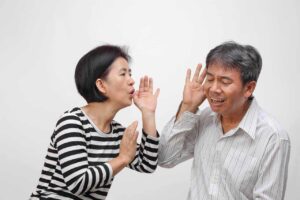
- Frequently asking others to repeat themselves
- Ringing or buzzing sounds in the ears (tinnitus)
- Muffled hearing
- Needing to increase the volume on devices
These symptoms can appear gradually, making them easy to overlook.
Can You Still Protect Your Hearing After Damage Has Occurred?
The answer is often yes. While existing damage may not simply disappear, protecting the hearing you still have can be important. Several steps may help reduce further exposure,
- Wear hearing protection in loud environments when appropriate
- Keep personal audio devices at moderate volume levels
- Take listening breaks during prolonged sound exposure
- Reduce unnecessary exposure to loud environments
- Arrange hearing assessments if you notice ongoing hearing changes
Many people delay seeking help because they assume nothing can be done. However, early evaluation may help identify hearing changes and guide appropriate management options.
What Options Are Available As Treatment for Noise Induced Hearing Loss?
The suitable treatment for noise-induced hearing loss varies depending on individual circumstances and the degree of hearing difficulty. Possible approaches may include,
- Hearing assessments- A hearing evaluation can help identify the nature and extent of hearing changes.
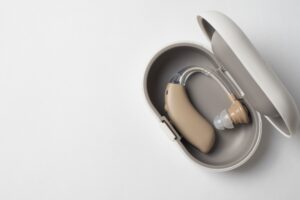
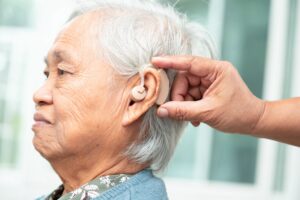
- Hearing devices- Some individuals may benefit from hearing support devices where appropriate.
- Management of associated symptoms- People experiencing tinnitus or communication difficulties may benefit from strategies designed to improve daily functioning.
- Lifestyle adjustments- Ongoing hearing protection and sound management habits may help support long-term hearing health.
Seeking professional assessment early may help individuals understand available options and make informed decisions.
What Features Should You Consider Based on Your Routine?
While features vary, some considerations include,
- Sound adjustment for different environments
- Comfort for extended wear
- Ease of handling and maintenance
- Compatibility with personal devices
It is important to note that no single device suits everyone. The goal is to find an option that supports your specific needs.
Frequently Asked Questions
Is noise-induced hearing loss always permanent?
Noise exposure can affect hearing in different ways. Some temporary changes may improve, while certain forms of hearing damage may be long-lasting.
Can headphones cause hearing damage?
Listening at high volume levels for prolonged periods may increase the risk of hearing-related issues.
Can young adults develop noise-induced hearing loss?
Yes. Hearing changes linked to noise exposure can occur across different age groups, including younger individuals.
When should I seek medical advice for hearing concerns?
If you notice persistent hearing changes, ringing in the ears, difficulty understanding conversations or increasing reliance on higher volumes, an assessment may be useful.
Concerned About Changes In Your Hearing?
If you have noticed hearing difficulties or are looking for guidance regarding treatment for noise-induced hearing loss, seeking timely assessment can help you better understand your hearing health.
At Clariti Hearing Professionals, the team provides hearing assessments and personalised guidance to help individuals better understand their hearing concerns and available care options. Book a consultation with Clariti Hearing Professionals today to take the next step towards protecting your hearing health.