Key takeaways
- Noise-induced hearing loss often develops gradually due to prolonged exposure at work or during daily activities.
- Hearing aids for noise induced hearing loss can help improve clarity and awareness, but they do not reverse damage.
- Early hearing assessment plays a key role in managing long-term hearing difficulties.
- Professional guidance ensures hearing solutions are suited to individual listening needs and lifestyle.
What Is Noise-Induced Hearing Loss and Why Does It Happen?
Noise-induced hearing loss (NIHL) occurs when repeated or intense sound damages the inner ear. This type of hearing loss is common among people exposed to loud environments over time.
Common causes include:
- Prolonged exposure to workplace noise such as machinery, construction tools, or industrial settings
- Frequent use of personal listening devices at high volumes
- Regular attendance at loud events such as concerts or clubs
- Sudden exposure to very loud sounds like explosions or heavy equipment
NIHL usually affects the ability to hear high-frequency sounds first, making speech seem muffled, especially in noisy places.
Can Hearing Aids Help With Noise-Induced Hearing Loss?
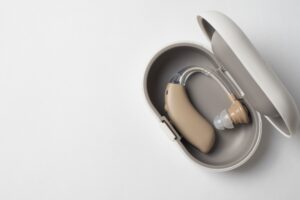
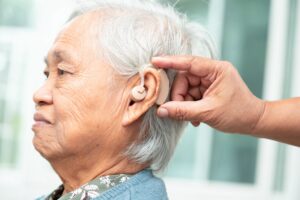
Many people ask whether hearing aids for noise-induced hearing loss actually make a difference. While hearing aids cannot repair damaged inner-ear structures, they can support better hearing in everyday situations. Hearing aids may help by:
- Amplifying softer sounds that have become difficult to hear
- Improving speech clarity, especially during conversations
- Reducing listening effort in social or work environments
- Enhancing awareness of surrounding sounds for safety and communication
The effectiveness depends on the degree of hearing loss, listening needs, and consistent use.
Are Hearing Aids Suitable for Everyone With Noise-Related Hearing Loss?
Not every case of NIHL is the same, which is why a proper hearing evaluation is essential. Suitability may depend on:
- Severity and pattern of hearing loss
- Daily communication needs at work and home
- Comfort with wearing hearing devices
- Personal lifestyle and listening environments
A hearing assessment helps determine whether hearing aids are appropriate and what type may be suitable.
What Types of Hearing Aids Are Commonly Used?
Modern hearing aids are designed to adapt to different listening environments without making unrealistic promises. Common features may include:
- Directional microphones to focus on speech
- Noise management settings for busy surroundings
- Discreet designs that fit comfortably
- Adjustable settings based on individual hearing profiles
The goal is functional improvement, not instant or guaranteed outcomes, in line with healthcare advertising guidelines
Frequently Asked Questions
Can hearing loss from noise exposure be reversed?
Noise-induced hearing loss is usually permanent, but its impact can be managed with appropriate hearing care.
Will hearing aids stop my hearing from getting worse?
Hearing aids do not prevent further loss. Protecting ears from loud noise remains important.
Do hearing aids work in noisy places?
They may help improve clarity, though hearing in very noisy environments can still be challenging.
When should I consider a hearing assessment?
If conversations feel unclear, ringing in the ears persists, or you frequently increase volume levels, an assessment is advisable.
Looking for Reliable Hearing Support in Singapore
If noise exposure has affected your hearing, timely guidance can make everyday communication easier. At Clariti Hearing Professionals, individuals in Singapore can receive personalised hearing assessments and balanced advice on suitable hearing options.
Getting a consultation allows you to understand your hearing profile better and explore whether hearing aids for noise induced hearing loss may support your daily life, at a pace that feels right for you.